How Emerging Markets Drive Portfolio Shifts for Digital Reel Creators via Platform Tie-Ups
Rosa Schmitt · Sep 23, 2026

How Emerging Markets Drive Portfolio Shifts for Digital Reel Creators via Platform Tie-Ups
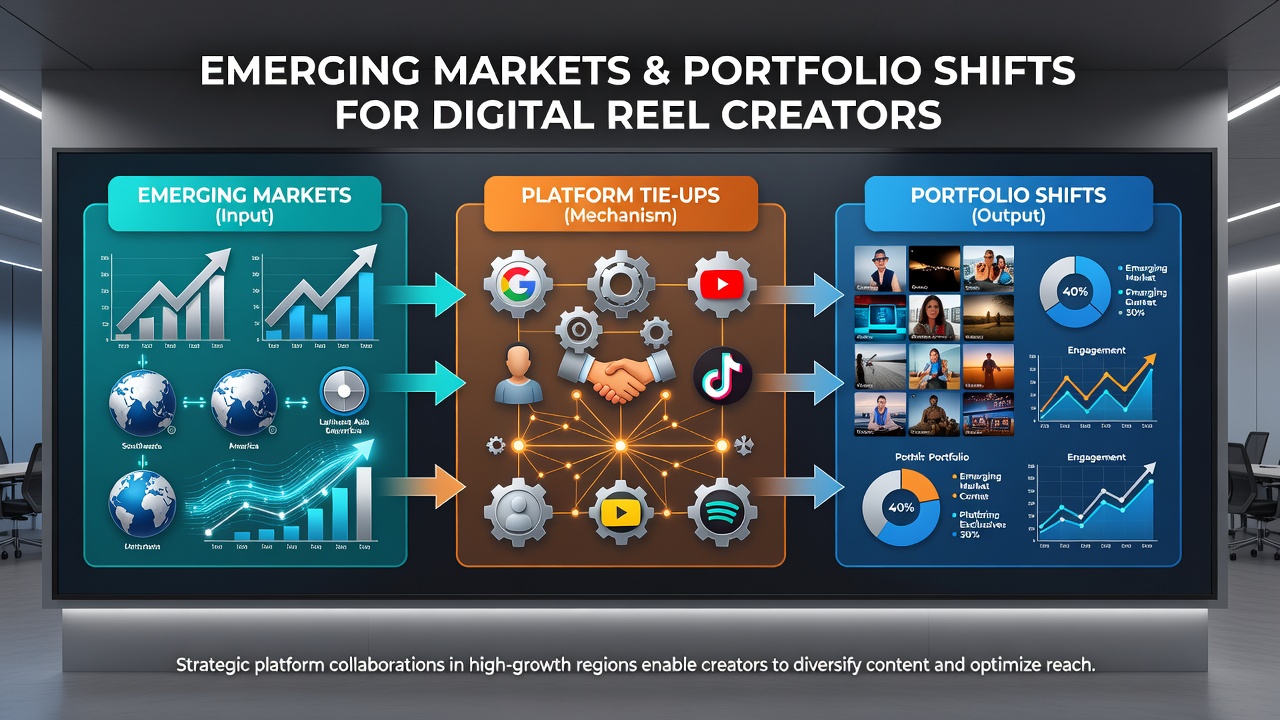
Digital reel creators have expanded their focus toward emerging markets throughout 2026, with platform tie-ups serving as the primary mechanism for portfolio adjustments. These partnerships connect game developers directly with operators in regions such as Southeast Asia, Latin America, and parts of Africa, where regulatory frameworks continue to evolve and user bases expand rapidly. Data compiled by industry trackers shows that reel creators now allocate larger portions of development resources to localized themes, payment integrations, and compliance features tailored to these territories.
Market Growth Patterns in Key Regions
Figures from regulatory filings and operator reports reveal accelerated activity in markets like Brazil and India during the first three quarters of 2026. Platform operators in these areas have signed integration agreements with multiple reel creators, which has prompted shifts in content pipelines toward games that incorporate local cultural elements and currency systems. Observers note that such tie-ups often include provisions for real-time data sharing, allowing creators to refine reel mechanics based on player interaction patterns observed in those specific jurisdictions.
Similar patterns appear in Southeast Asian markets where mobile penetration rates support frequent platform updates. Reel creators respond by modifying existing titles or building new ones that align with regional preferences for certain bonus structures and visual styles. These changes occur through structured collaboration agreements rather than independent development decisions.
Mechanics of Portfolio Adjustments
Portfolio shifts manifest through several documented channels. Creators adjust reel volatility settings, add language options, and integrate alternative payment gateways to match the requirements outlined in platform contracts. Research indicates that these modifications increase integration success rates when new games launch on partner sites. Platform tie-ups frequently specify performance metrics that influence subsequent content roadmaps, creating feedback loops between market data and development priorities.
One documented approach involves joint working groups where representatives from both the reel creation studios and the platform operators review analytics on a quarterly basis. This process has led to measurable reallocations of studio capacity toward titles optimized for markets with higher mobile-only traffic shares. Evidence from integration logs shows that such collaborative planning reduces time-to-market for region-specific releases.
Platform Integration Frameworks
Tie-up agreements typically outline technical specifications alongside commercial terms. These frameworks cover API endpoints for player tracking, content delivery networks suited to variable bandwidth environments, and certification pathways that satisfy local licensing bodies. Reel creators that participate in multiple such arrangements report streamlined processes for updating game libraries across several emerging territories simultaneously.
According to reports published by the iGaming Business research division, integration volumes between reel creators and platforms serving Latin American operators rose noticeably in the months leading into September 2026. The same reports document parallel activity in African markets where regulatory clarity has improved in select jurisdictions. These partnerships often bundle content supply with marketing support and localized compliance assistance.
Data-Driven Decision Processes
Analytics platforms shared through tie-ups supply reel creators with granular information on session lengths, feature engagement rates, and preferred reel configurations. Developers use this information to prioritize certain math models or thematic directions in upcoming releases. Studies conducted by academic researchers at institutions tracking digital entertainment economics confirm that access to such datasets correlates with higher retention figures on the operator side after new titles deploy.
Platform operators in emerging regions frequently request custom variations of core reel mechanics to test against local audiences. Creators respond by maintaining modular codebases that permit rapid reconfiguration without full redevelopment cycles. This structural flexibility has become a standard expectation within contract negotiations completed during 2026.
Conclusion
Platform tie-ups continue to function as the central conduit through which emerging markets influence the strategic direction of digital reel creators. The documented outcomes include expanded localization efforts, revised content calendars, and tighter integration between market performance data and development choices. As regulatory environments stabilize across additional territories, these collaborative arrangements are projected to sustain the observed portfolio realignments through the remainder of the year and beyond.