Reward Pathways Unlocked: Data Exchange Protocols Governing Feature Triggers in Distributed Slot Networks
David Keller · Oct 21, 2026
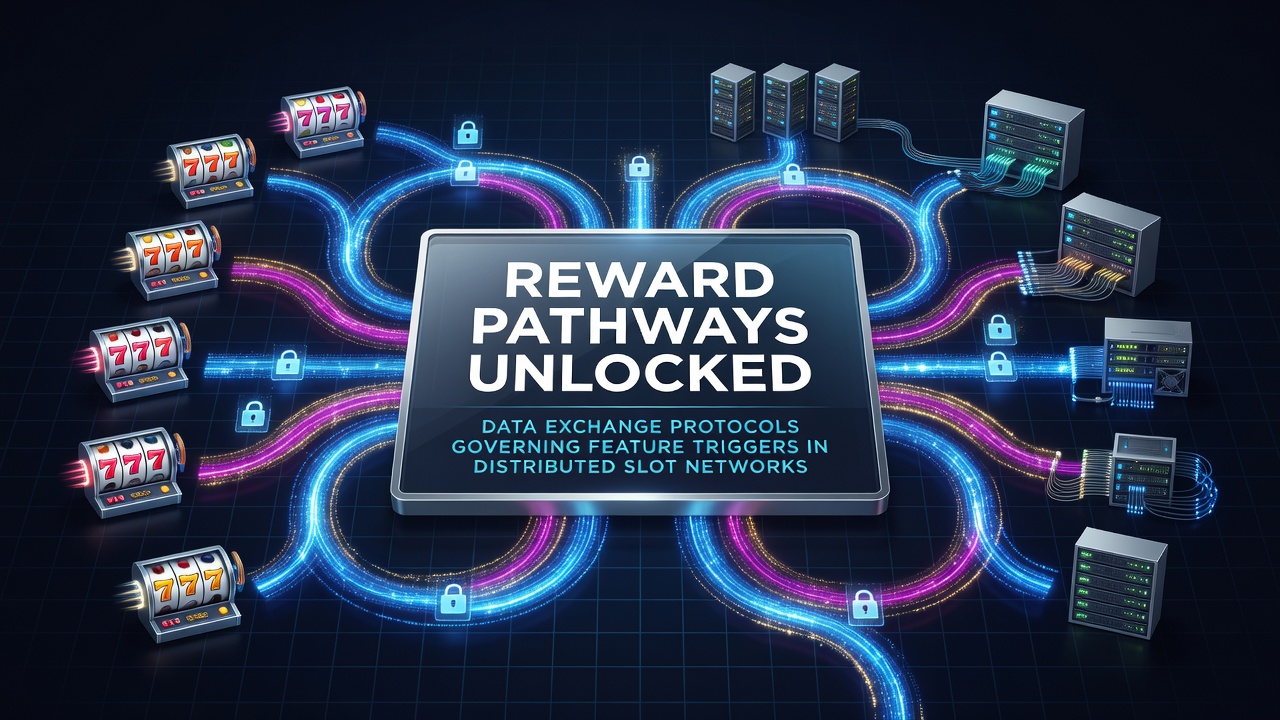
Reward Pathways Unlocked: Data Exchange Protocols Governing Feature Triggers in Distributed Slot Networks
Distributed slot networks rely on precise data exchange protocols to manage feature triggers and direct reward pathways from central servers to individual game instances, while operators track these flows to maintain consistent performance across multiple platforms. In October 2026 several networks reported protocol refinements that adjusted trigger timing for bonus sequences without altering core mathematics models.
Core Components of Distributed Slot Architectures
Central servers coordinate with edge nodes through standardized message formats that carry player state, random number generator outputs, and pending feature flags, and these exchanges occur in milliseconds to keep reel spins synchronized across regions. Observers note that packet structures typically include header fields for session identifiers along with payload sections detailing reel positions and multiplier values, whereas error-checking mechanisms ensure corrupted data does not activate unintended rewards.
Feature triggers activate when specific data conditions meet predefined thresholds, such as consecutive scatter symbols or accumulated bet totals, and the governing protocols route confirmation signals back to the client interface to initiate animations or credit awards. Researchers have documented how these pathways separate visual feedback loops from financial settlement processes, allowing independent scaling of each layer within the network.
Protocol Standards and Message Routing
Multiple industry groups publish interface specifications that define command sets for requesting feature evaluations and returning outcome data, while operators implement these standards to reduce integration friction between game studios and casino platforms. Data shows that common fields encompass trigger type codes, probability weights, and state transition flags, and these elements travel through encrypted channels to prevent interception or tampering during transit.
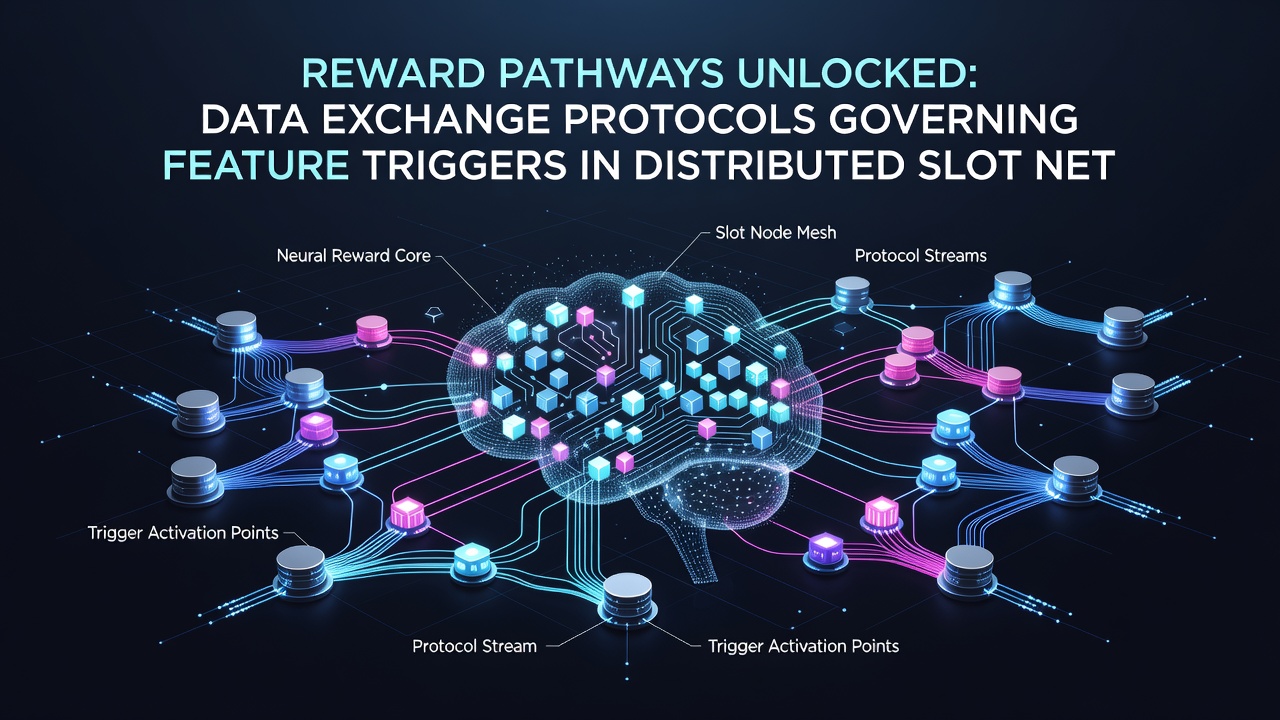
Routing logic determines whether a trigger request reaches the primary random number generator cluster or a secondary cache holding pre-calculated outcomes, and load-balancing algorithms distribute queries to avoid bottlenecks during peak activity periods. In October 2026 several providers updated routing tables to prioritize certain feature categories, resulting in measurable shifts in trigger frequency across partner sites.
Security and Compliance Layers
Regulatory frameworks require audit trails that log every protocol message related to reward calculations, and authorities in different jurisdictions review these records to verify that feature triggers align with certified return-to-player percentages. One compliance report from the Nevada Gaming Control Board highlights the necessity of timestamp synchronization across nodes so that delayed messages do not produce duplicate payouts or missed activations.
Encryption standards protect sensitive fields such as account balances and pending bonuses during exchange, while intrusion detection systems monitor for anomalous patterns that might indicate protocol manipulation attempts. Those who maintain these networks often implement redundant verification steps that cross-check trigger outcomes against independent random sources before final settlement occurs.
Integration with Casino Platforms
Casino management systems subscribe to event streams generated by the slot network protocols, receiving notifications when features activate so that player loyalty programs can apply corresponding rewards without manual intervention. Data from the Australian Communications and Media Authority indicates that seamless integration reduces reconciliation errors between game servers and backend accounting modules, particularly when multiple studios contribute titles to the same operator portfolio.
Testing environments replicate live data flows to validate that new protocol versions do not disrupt existing trigger sequences, and developers use these sandboxes to measure latency impacts on feature delivery across simulated geographic distances. Observers note that such preparation has become standard practice ahead of major platform updates scheduled for late 2026.
Conclusion
Protocols governing data exchange in distributed slot networks continue to evolve as operators seek greater control over feature timing and reward distribution, with October 2026 marking several documented refinements to routing and verification procedures. Continued collaboration between regulators, providers, and technology vendors supports the stability of these systems while meeting compliance requirements across regions.