Synchronizing Development Cycles with Compliance Standards to Optimize Reel Dynamics in Multi-Jurisdictional Casino Offerings
Rosa Hansen · Sep 9, 2026
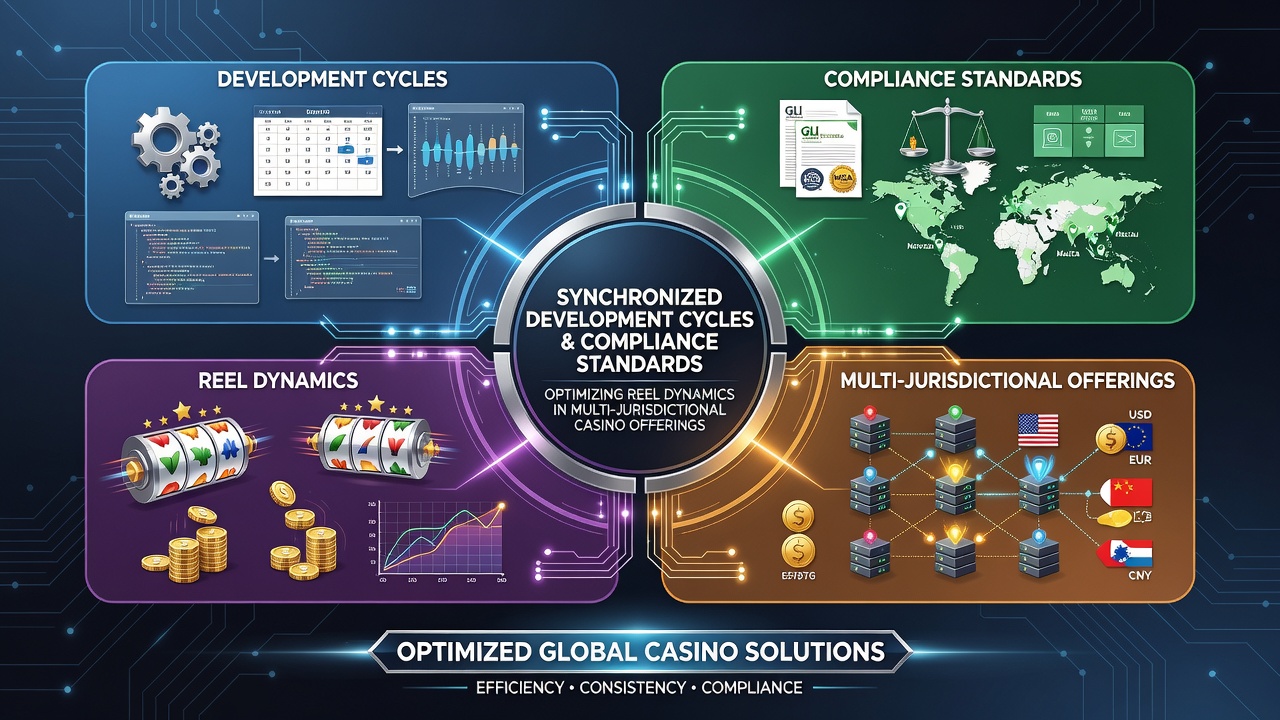
Synchronizing Development Cycles with Compliance Standards to Optimize Reel Dynamics in Multi-Jurisdictional Casino Offerings
Development teams in the online gaming sector coordinate their production schedules with regulatory frameworks that differ across states, provinces, and countries because reel mechanics must satisfy fairness tests and return-to-player thresholds everywhere a title appears. This coordination shapes how symbols land, how bonus sequences trigger, and how volatility profiles stay consistent even when operators face separate audit requirements from bodies such as the Alcohol and Gaming Commission of Ontario and the Nevada Gaming Control Board.
Mapping Regulatory Timelines into Sprint Planning
Project managers insert compliance checkpoints at the end of each two-week sprint so that every new reel configuration receives preliminary review before deeper coding begins, and this practice reduces the chance that a last-minute rule change forces a complete redesign of the symbol weighting tables. Teams that work with partners in New Jersey and Australia simultaneously track publication dates for updated technical standards, allowing them to adjust random-number-generator seeds and paytable layouts while the same core build moves through certification in both markets.
Reel Dynamics Under Cross-Border Scrutiny
Reel dynamics refer to the visual speed of spinning columns, the density of high-value symbols, and the timing of near-miss presentations that players encounter on desktop and mobile clients. When a single title must clear testing in multiple jurisdictions, engineers calibrate these elements against the strictest local guideline first, then verify that the lighter rulesets still accept the resulting mathematical model, and this sequence keeps the game experience uniform without violating any single regulator's display requirements.
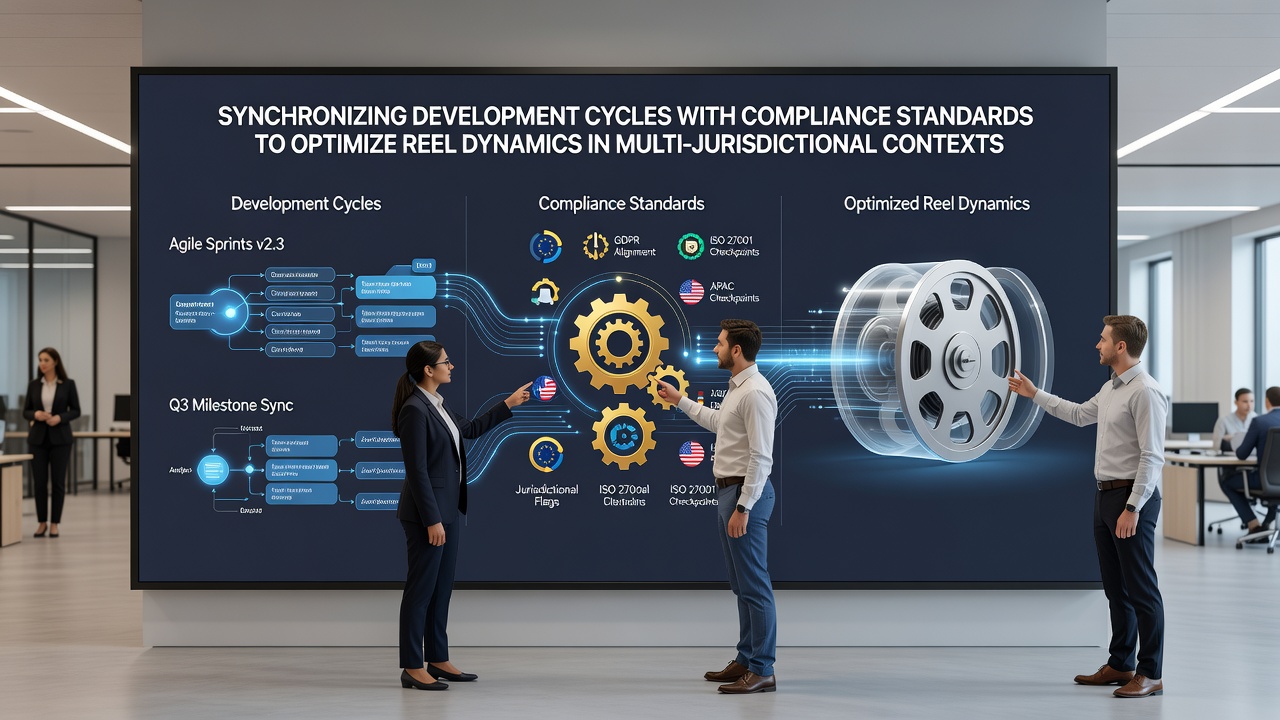
Data collected during September 2026 internal play tests showed that titles released after such synchronized cycles maintained RTP variance within 0.3 percent of certified values across Ontario, New Jersey, and Michigan platforms, according to figures released by the Alcohol and Gaming Commission of Ontario. Operators reported fewer player-support tickets related to unexpected reel behavior once the aligned development process became standard practice.
Integration Tools That Keep Cycles Aligned
Version-control systems now tag every code commit with the specific regulatory clause it addresses, and automated scripts flag any change that might affect symbol distribution or animation frame counts before the commit reaches the shared repository. These tags let quality-assurance groups in different time zones confirm that a reel-speed adjustment approved in one jurisdiction does not conflict with display-duration limits enforced elsewhere, and the result is a single source tree that passes parallel certification streams without branching into separate regional builds.
One studio that supplies content to operators licensed in both the United States and Canada reduced its average certification turnaround from 47 days to 29 days after adopting this tagged-workflow method, based on internal metrics shared with the Nevada Gaming Control Board during routine audits. The same workflow also allowed the studio to introduce incremental reel-feature updates every six weeks while still meeting the staggered renewal schedules required by each regulator.
Measuring Optimization Outcomes Across Markets
Operators track session-length data and bonus-trigger frequency after synchronized releases, and early results indicate that titles whose reel dynamics were finalized only after multi-jurisdictional compliance sign-off show steadier engagement curves than titles rushed through single-market testing. The steadiness appears because the final symbol weights already incorporate the most demanding fairness calculations, leaving less room for post-launch parameter tweaks that could confuse players who switch between platforms.
Research groups at several universities have begun collecting anonymized telemetry from partner casinos to quantify how synchronized cycles affect long-term retention, yet those studies remain in progress and have not yet produced peer-reviewed conclusions. In the meantime, portfolio managers continue to schedule major reel redesigns around the earliest upcoming compliance deadline in any active market, ensuring that the optimized mechanics reach all territories at roughly the same calendar point.
Conclusion
Studios that embed regulatory checkpoints inside every development sprint produce reel mechanics that satisfy divergent technical standards without sacrificing visual consistency or mathematical integrity, and the approach has become more common as casino groups expand across additional licensing regions. Continued refinement of these synchronized processes should support faster delivery of compliant titles while maintaining the reel performance that players expect across devices and borders.